
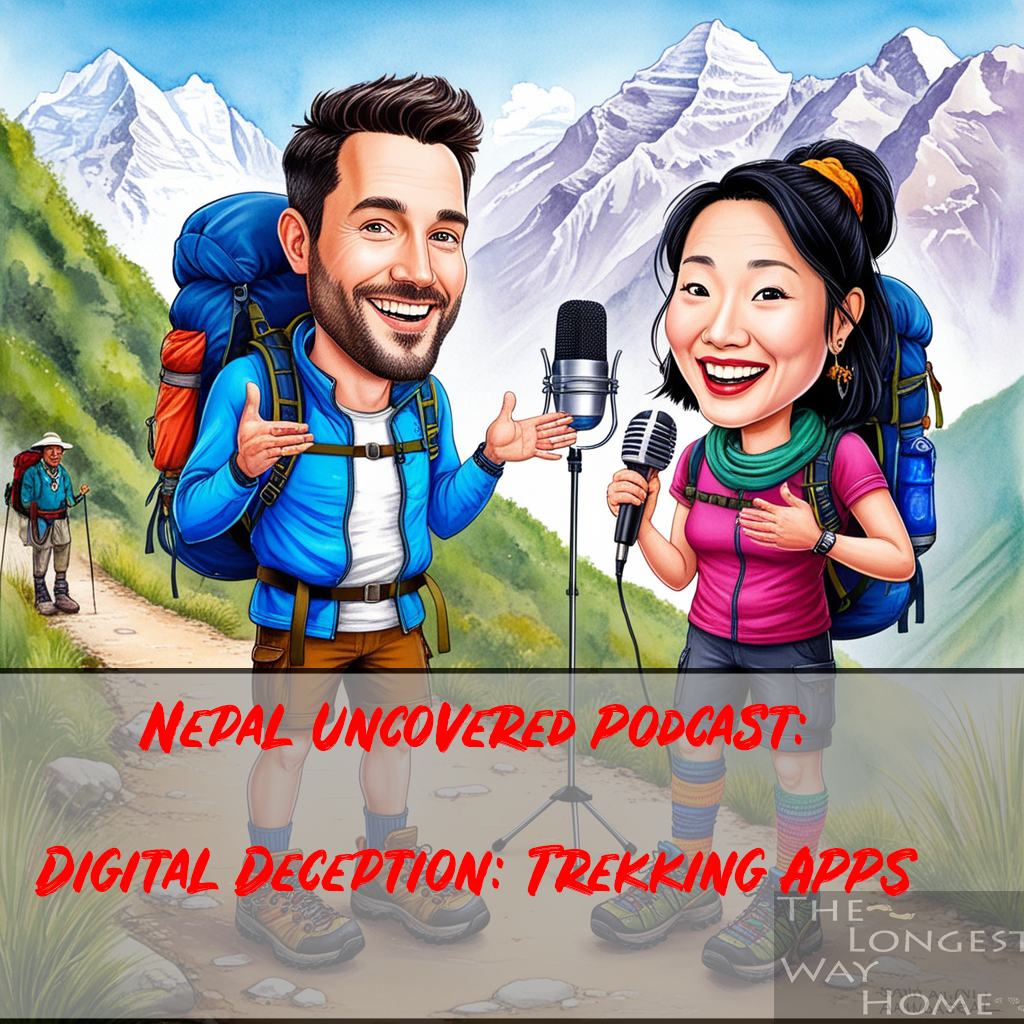
In an era of instant navigation, we often trust the blue dot on our screens more than our own eyes. But in the high-stakes environment of the Himalayas, that trust can be fatal. This episode examines the tragic death of 37-year-old German trekker Astrid Weisser on the Khopra Danda trek in late 2025, a tragedy sparked by a “digital ghost trail”.
We dive deep into why free navigation apps are failing trekkers and how a “paradox of convenience” is creating a false sense of security in the world’s most volatile terrain.
The Khopra Danda Tragedy: A look at the search and recovery of Astrid Weisser, who was led off a safe path and onto an abandoned, monsoon-damaged trail shown as active on her smartphone.
The Flaw of Crowdsourcing: Why user-submitted GPS tracks are often unverified, dangerous, or simply lucky “scrambles” rather than official, maintained routes.
The Technical Debt: How 25-year-old elevation data (SRTM) and “distance smoothing” algorithms create digital paths that cut straight across sheer cliff faces.
The Guide Mandate vs. Reality: A discussion on Nepal’s 2023 mandatory guide law and why a lack of official trail signage continues to drive solo trekkers toward risky digital alternatives.
The Survival Toolkit: Why “dedicated hardware” (GPS devices), paper maps, and local knowledge from lodge managers always trump a free app.
As trekking expert David Ways notes, when a map is free, you must ask who paid for the verification. In the wilderness, that cost is sometimes measured in lives. This episode is a must-listen for anyone planning to navigate the backcountry in 2026.
=
Special Note: We also highlight the incredible work of SARS Dogs Nepal, a volunteer group that stepped in to install physical signage on the Khopra route following this tragedy, filling the gap left by official infrastructure.
🔍 In This Episode, We Unpack:💡 Why “Free” Isn’t Always Free
Leave a Reply